
Weight Loss Tips: 5 Popular Workouts Beginners Should Approach With Caution

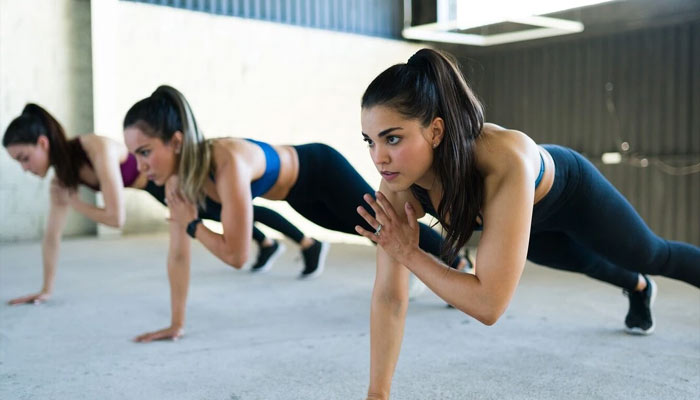
Weight Loss Guide: 5 Popular Exercises Beginners Should Avoid Rushing Into
Losing weight and improving fitness require consistency, patience and an exercise routine suited to your current abilities. While high-intensity workouts may appear attractive for achieving quick results, starting with demanding movements before developing adequate strength, balance and endurance can increase the risk of injury.
For people carrying excess body weight, certain exercises may place additional demands on the knees, ankles, hips and lower back. However, being overweight does not automatically make these activities unsafe. The key is to choose appropriate variations, maintain proper technique and increase workout intensity gradually.
Here are five popular exercises beginners should approach cautiously, along with alternatives that can help build fitness safely.
1. Running on Hard Surfaces
Running is widely used for cardiovascular conditioning and calorie expenditure. However, its repetitive impact can be challenging for beginners who are unaccustomed to regular exercise, particularly those experiencing knee or ankle discomfort.
Increasing running distance or speed too quickly may contribute to overuse injuries, including shin splints and joint pain.
Try instead: Begin with brisk walking, swimming or stationary cycling. These activities can improve cardiovascular endurance while generally reducing impact on the joints. Once your stamina improves, you can gradually introduce short jogging intervals if they feel comfortable.
2. Burpees and Box Jumps
Burpees and box jumps are demanding exercises that combine explosive movements, jumping and rapid changes in body position. They require coordination, strength and the ability to land with control.
For beginners, fatigue and poor technique can increase the risk of falls, ankle sprains and knee injuries.
Try instead: Start with step-ups using a low, stable platform, controlled bodyweight squats or modified burpees without jumping. These movements help develop strength and conditioning before you attempt more advanced variations.
3. Deep Squats With Heavy Weights
Squats are effective for strengthening the thighs, hips and gluteal muscles. However, attempting heavy weighted squats or forcing a deep range of motion without adequate preparation can cause discomfort and make it harder to maintain proper technique.
Squats themselves are not inherently dangerous for people who are overweight. The main consideration is whether the movement matches your strength, mobility and experience.
Try instead: Practise chair squats by sitting on a sturdy chair and standing up slowly. Keep your feet stable, move within a comfortable range and progress gradually. Add resistance only when you can perform the movement with control.
4. Traditional Abdominal Crunches
Crunches target the abdominal muscles, but beginners may strain their necks or experience lower-back discomfort when they perform repeated repetitions with poor form.
It is also worth remembering that abdominal exercises alone cannot selectively eliminate belly fat. Overall fat loss depends on several factors, including nutrition, physical activity and consistency.
Try instead: Consider standing core exercises, modified planks or bird-dog movements. These alternatives can strengthen the abdominal and supporting muscles while allowing you to adjust the difficulty to your current fitness level.
5. Straight-Leg Raises
Double-leg raises involve lifting both legs while lying on your back. The movement requires adequate core strength to control the pelvis and prevent excessive arching of the lower back.
Beginners who struggle to maintain this control may experience back discomfort, particularly if they already have back problems.
Try instead: Start with bent-knee marches while lying on your back, lifting one foot at a time while keeping your movements controlled. Bird-dog exercises can also help improve core stability. Avoid movements that aggravate existing pain.
Tips for Building a Sustainable Weight Loss Routine
Choosing suitable exercises is only one part of a successful weight management plan. Developing a routine that you can follow consistently is equally important.
Begin gradually: Start with manageable sessions and increase duration or intensity as your endurance improves.
Prioritise technique: Learn the correct movement pattern before adding weights or increasing repetitions.
Include low-impact activities: Walking, cycling and swimming can provide effective ways to improve fitness.
Support your workouts with balanced nutrition: Sustainable eating habits can complement regular physical activity.
Allow time for recovery: Rest and adequate sleep help your body adapt to exercise.
Pay attention to warning signs: Stop exercising if you experience sharp pain, dizziness, chest discomfort or unusual shortness of breath. Seek medical advice when symptoms are concerning.
If you have existing joint problems, significant mobility limitations or a chronic health condition, consult a healthcare professional before beginning an intensive workout programme.
The bottom line: Weight loss is not a race to complete the hardest workout. Start with exercises that suit your abilities, build strength progressively and focus on consistency. A gradual, sustainable approach can help you improve fitness while reducing the risk of avoidable injuries.
Comments are closed.