
Delhi Pollution: AQI Stands At 180 For Third Consecutive Day As Government Prepares Hotspot Control Measures

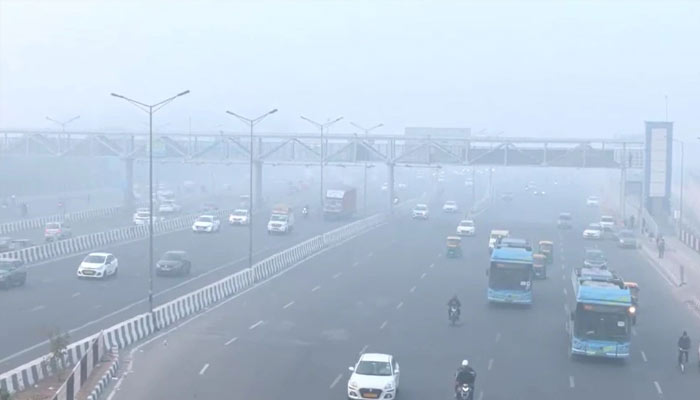
Delhi Pollution Update: Air Quality Stays ‘Poor’ For Third Day With AQI At 180; Govt Targets Pollution Hotspots
Delhi continued to grapple with poor air quality for the third consecutive day, with the Air Quality Index (AQI) recorded at 180, according to the latest data. Pollution levels reportedly worsened following Dussehra celebrations, as smoke and unfavourable weather conditions contributed to the accumulation of pollutants in the atmosphere.
As air quality deteriorated, the Commission for Air Quality Management (CAQM) activated Stage I of the Graded Response Action Plan (GRAP) across Delhi-NCR, triggering a series of preventive measures to contain pollution.
Government Plans Targeted Action In Pollution Hotspots
Delhi Environment Minister Manjinder Singh Sirsa has instructed officials to develop dedicated pollution-control plans for identified hotspots across the capital. The strategy aims to address pollution at its source through location-specific interventions, clear departmental responsibilities and time-bound corrective measures.
During a review meeting, Sirsa asked officials to analyse AQI monitoring data to identify major local pollution sources, including road dust, traffic congestion, construction work, unauthorised parking and the burning of waste.
The minister emphasised that authorities must move beyond general directives and take practical steps at locations where pollution is concentrated. He also called for clear deadlines and accountability to ensure that departments deliver measurable results.
The proposed measures include removing encroachments, filling potholes, treating exposed soil along roadsides and carrying out regular water sprinkling in dust-prone areas.
Transport Accounts For The Largest Share Among Listed Pollution Sources
Transport has been identified as a major contributor to Delhi’s pollution, accounting for 20.3% of the total in data cited by the government.
Residential sources contributed 5.2%, while industries accounted for 4.2% and construction activities for 2.6%. Energy contributed 2%, followed by waste burning at 1.8%, road dust at 1.4% and other sources at 1.3%.
To reduce emissions from vehicles, Sirsa called for closer coordination between traffic police and other agencies to regulate heavy-vehicle movement, especially during peak hours.
Residents have also been urged to avoid burning household waste, refrain from dumping garbage on roads, maintain valid Pollution Under Control (PUC) certificates and use public transport or carpooling to reduce the number of private vehicles on the road.
The minister underlined that improving Delhi’s air quality requires consistent enforcement by government agencies alongside public participation.
What Does GRAP Stage I Mean For Delhi-NCR?
Stage I of GRAP remains in force across Delhi-NCR, with authorities focusing on preventive steps to control emissions and dust.
The measures include monitoring construction and demolition activities, strengthening road-dust management, improving waste disposal practices and addressing vehicular pollution.
The government’s hotspot-focused approach is intended to identify areas with concentrated pollution and ensure that responsible agencies take corrective action within specified timelines.
Can The New Measures Improve Delhi’s Air Quality?
The planned interventions aim to tackle several local contributors to pollution, particularly road dust, traffic emissions, construction activities and waste burning. Their impact will depend on effective implementation, regular monitoring and coordination among the departments concerned.
With Delhi entering a season when air pollution can intensify, targeted hotspot management and compliance with GRAP measures will remain important components of the city’s pollution-control strategy.
Comments are closed.