
Cyclone Arnab Approaches Andhra Coast, Heavy Rain Alert Issued in 5 States

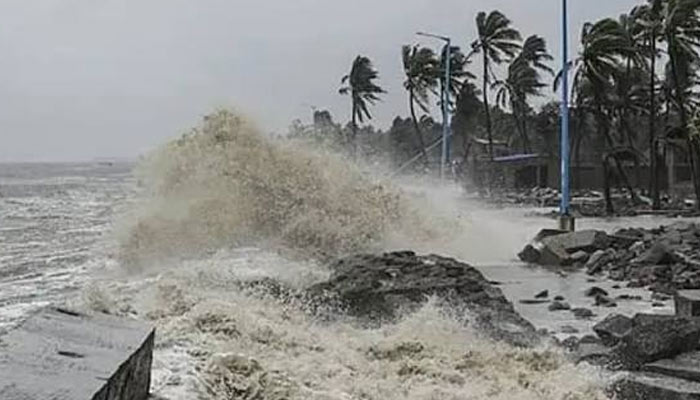
Cyclone Arnab Set to Intensify Into Very Severe Storm, IMD Warns of Heavy Rain in Several States
Cyclonic Storm Arnab over the Bay of Bengal is expected to intensify further, prompting the India Meteorological Department (IMD) to issue warnings of heavy to extremely heavy rainfall across several states over the coming days.
Andhra Pradesh and Odisha are likely to face the most severe weather conditions, with the storm forecast to strengthen into a very severe cyclonic storm before approaching the eastern coast. Strong winds, rough seas and possible flooding in low-lying coastal areas are also among the key concerns.
According to the IMD’s latest bulletin issued on Monday, October 26, Arnab was positioned over the east-central and adjoining west-central Bay of Bengal. The system was moving westwards at approximately 15 kmph and was expected to turn northwestwards towards the Andhra Pradesh coast.
Cyclone Arnab to Intensify, Landfall Likely on October 28
The IMD has forecast that Cyclone Arnab will intensify into a severe cyclonic storm by the night of October 26, before strengthening further into a very severe cyclonic storm on October 27.
The storm is expected to cross the Andhra Pradesh and Yanam coasts between Bapatla and Visakhapatnam, near Yanam, by the forenoon of October 28.
Around the time of landfall, the system could generate maximum sustained winds of 115–125 kmph, with gusts reaching 140 kmph, according to the forecast.
Coastal districts of Andhra Pradesh may experience intense rainfall, powerful winds and rough to very rough sea conditions. The weather department has also warned of a possible storm surge of 1–1.5 metres above the astronomical tide, which could inundate low-lying coastal areas.
Residents in vulnerable locations have been advised to remain alert and follow instructions issued by local authorities.
Andhra Pradesh, Odisha Face Extremely Heavy Rainfall
Andhra Pradesh is expected to bear the brunt of the approaching storm, with coastal areas forecast to receive extremely heavy rainfall on October 27 and 28. Heavy rain is likely to continue on October 29, accompanied by thunderstorms and strong surface winds.
Odisha is also expected to experience intense rainfall as the cyclone approaches the coast. The IMD has forecast extremely heavy rain on October 27 and 28, followed by very heavy rainfall on October 29.
The combination of heavy precipitation and strong winds could disrupt transport, damage infrastructure and cause localised flooding in vulnerable areas.
Authorities in the affected regions are expected to monitor the situation closely as the storm’s intensity and movement become clearer.
Telangana, Chhattisgarh Also Under Rain Alert
The impact of Cyclone Arnab is expected to extend inland, bringing heavy rainfall to parts of Telangana and Chhattisgarh.
In Telangana, the IMD has forecast heavy rain on October 27, with isolated extremely heavy rainfall possible on October 28. Heavy showers, thunderstorms and lightning may continue on October 29.
Chhattisgarh is also likely to experience adverse weather conditions. Heavy rainfall is forecast on October 27, while extremely heavy rain is possible on October 28 and 29.
Residents in these states should remain cautious, particularly in areas prone to waterlogging, flash flooding and disruptions caused by intense rainfall.
East Uttar Pradesh Likely to Receive Heavy Rain
The weather system could also influence rainfall patterns farther north. East Uttar Pradesh is forecast to receive very heavy rainfall on October 29 and 30, followed by heavy rain accompanied by thunderstorms and lightning on October 31.
The forecast suggests that the effects of the cyclone could extend well beyond the eastern coastline, affecting several inland regions during the week.
People in the affected states should monitor official weather bulletins and local advisories as conditions evolve.
Fishermen Advised Against Venturing Into the Sea
With Cyclone Arnab expected to intensify over the Bay of Bengal, sea conditions along and near its projected path are likely to deteriorate.
The IMD has advised fishermen not to venture into the affected sea areas. People living in vulnerable coastal settlements have also been urged to follow official warnings and instructions from local authorities.
Residents should keep track of updated forecasts, avoid exposed coastal areas during dangerous weather and take precautions against strong winds and flooding.
The cyclone’s exact track and intensity may change as it approaches land. Timely updates from the IMD and local disaster management authorities will therefore be crucial in determining the areas most likely to face the worst conditions.
Comments are closed.