
Iran Considers Hormuz Relief for India, China, Qatar and Iraq; Four Major Risks Could Complicate Deal

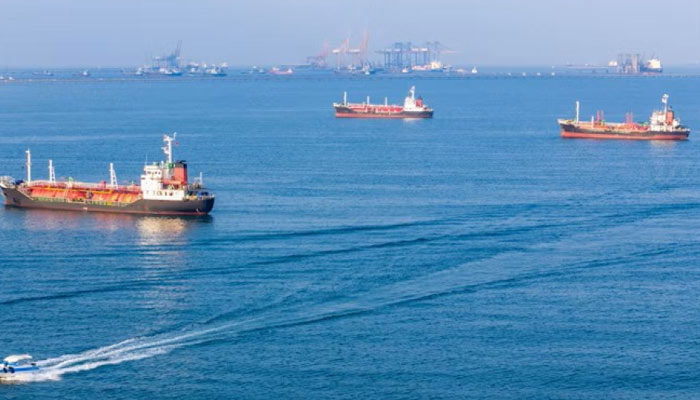
Iran’s Hormuz Passage Offer to India, China and Others Faces Four Serious Challenges
Iran’s reported move to grant selective passage exemptions to commercial vessels from India, China, Qatar and Iraq through the Strait of Hormuz could provide some relief to countries dependent on the crucial shipping route. However, the arrangement comes with significant security, financial and diplomatic complications.
The proposed corridor is emerging amid the continuing confrontation between Tehran and Washington, with the US naval blockade adding uncertainty to international shipping operations.
While Iran’s exemptions may help certain countries maintain access to the waterway, analysts have identified four major risks that could undermine the arrangement and affect global energy supplies.
1. MILITARY THREATS COULD PUT COMMERCIAL SHIPS AT RISK
The biggest concern is the continuing threat of military attacks in and around the Strait of Hormuz. Even if Iran guarantees passage to selected countries, commercial vessels could still face risks from drones, sea mines, missiles and naval confrontations.
The possibility of accidental targeting or misidentification also remains high in an active conflict zone.
Concerns have intensified following an incident involving the Indian-flagged dhow MSV Al-Jusufi near Oman’s coast, which was reportedly struck by an unidentified aerial object, killing an Indian sailor.
The incident highlights the dangers faced by vessels operating near the conflict zone, regardless of their nationality or diplomatic arrangements.
2. US SANCTIONS COULD CREATE FINANCIAL COMPLICATIONS
Iran’s proposed exemptions could also expose shipping companies to potential American sanctions.
Reports about the arrangement have raised concerns over the possibility of Tehran collecting transit fees from vessels using the designated corridor.
Any payments made to Iranian authorities could attract scrutiny under existing US sanctions. Companies, banks and shipping operators involved in transactions that violate applicable restrictions could face penalties and restrictions on their international financial operations.
Access to dollar-based banking and the wider international financial system could also be affected.
This creates a major dilemma for countries and businesses considering the Iranian route: securing passage through the waterway without exposing themselves to sanctions-related consequences.
3. WAR-RISK INSURANCE COULD MAKE THE ROUTE COSTLY
A passage exemption does not automatically mean that shipping companies will receive affordable insurance coverage.
International maritime insurers assess risks independently, and the continuing military confrontation around Hormuz could lead to higher war-risk premiums.
Ship operators may also have to spend more on security measures, additional precautions and contingency arrangements.
If insurance costs rise sharply, the economic advantage of using the proposed corridor could disappear. Shipping companies may therefore hesitate to send vessels through the route even when Iran has formally approved their passage.
Higher transportation expenses could eventually feed into the prices of crude oil, petroleum products and other imported commodities.
4. IRAN’S SELECTIVE POLICY COULD BECOME DIPLOMATIC LEVERAGE
Another major concern is the political uncertainty surrounding the exemptions.
Iran’s reported proposal appears to connect maritime access with its broader diplomatic and economic interests. Reports have suggested that India’s access could be linked to medicine imports, while China’s position may be influenced by Beijing’s diplomatic support for Tehran.
This could make passage dependent on the changing relationship between Iran and individual countries.
If diplomatic relations deteriorate or political priorities change, Tehran could modify or withdraw previously granted exemptions.
Such uncertainty could disrupt shipping schedules, delay essential energy shipments and create difficulties for companies transporting goods through the region.
WHY THE STRAIT OF HORMUZ MATTERS TO INDIA
The Strait of Hormuz is a critical global energy chokepoint, handling roughly one-fifth of the world’s oil and petroleum liquids consumption under normal conditions.
India, as a major energy importer, has a significant interest in ensuring uninterrupted movement of crude oil and other essential supplies through the Gulf region.
Any prolonged disruption could increase oil prices, freight charges and import costs, potentially putting additional pressure on the Indian economy.
Iran’s proposed exemptions may offer a limited solution to the immediate shipping crisis, but questions over military security, US sanctions, insurance expenses and political conditions remain unresolved.
For India and other beneficiary countries, the real challenge will be securing dependable maritime access without becoming exposed to fresh financial or geopolitical complications.
Comments are closed.