
New COVID Strain PJ.2.1 Detected in 8 Countries: Key Symptoms, Mutations and Health Risks

PJ.2.1 COVID Variant: What to Know About Its Global Spread, Symptoms and Potential Health Risks
A new coronavirus lineage, PJ.2.1, is drawing international attention after being detected in eight countries. First identified in Ontario, Canada, on May 2, 2026, the variant has since been reported in the United States, Spain, France, Singapore, Australia, New Zealand and Israel.
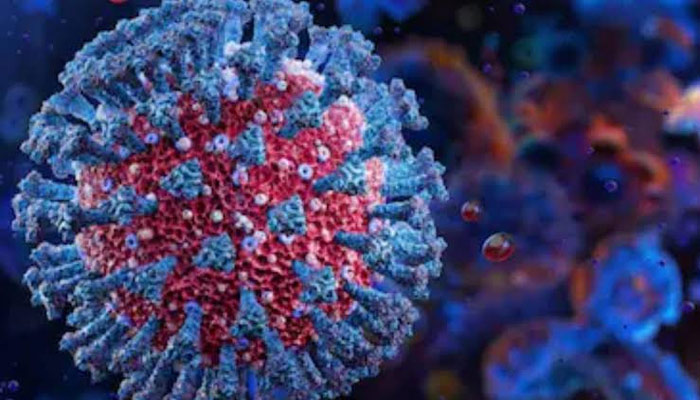
Scientists are investigating its unusual genetic makeup, particularly the large number of mutations in its spike protein. The lineage has been described as a saltation variant because of the significant genetic changes observed in comparison with its parent lineage.
Its increasing geographical presence has raised questions about whether it spreads more easily, can escape existing immunity or poses additional health risks. However, current laboratory findings have not established that PJ.2.1 causes more severe illness.
WHAT SYMPTOMS ARE ASSOCIATED WITH PJ.2.1?
So far, researchers have not identified any unique symptoms that distinguish PJ.2.1 from other COVID-19 variants.
People infected with the lineage may experience symptoms commonly associated with respiratory infections, including:
- Fever and chills
- Cough and sore throat
- Runny or blocked nose
- Headache
- Muscle pain and body aches
- Tiredness and fatigue
- Loss of taste or smell
- Shortness of breath
- Mild digestive problems
The severity of symptoms can vary from person to person. Some individuals may experience mild discomfort, while others, particularly those with underlying health conditions, could develop more serious complications.
Since these symptoms closely resemble seasonal flu and the common cold, identifying COVID-19 through symptoms alone is difficult. Antigen or PCR testing can help confirm an infection, while genomic sequencing is needed to establish whether a person is infected with PJ.2.1.
SPIKE PROTEIN MUTATIONS UNDER SCIENTIFIC INVESTIGATION
The unusual number of spike-protein mutations is one of the main reasons PJ.2.1 has attracted scientific interest.
The spike protein helps SARS-CoV-2 attach to ACE2 receptors on human cells, enabling the virus to enter the body. Changes in this protein can influence viral behaviour, including its ability to interact with cells and respond to antibodies.
A laboratory investigation published in the Journal of Infection reported that PJ.2.1 demonstrated enhanced binding to human ACE2 receptors compared with certain other variants.
This characteristic could provide the lineage with a growth advantage, potentially contributing to its increasing detection across different countries.
However, researchers caution that laboratory observations do not necessarily translate into greater transmission or more severe disease in real-world conditions.
DOES THE NEW VARIANT INCREASE THE RISK OF SEVERE ILLNESS?
Despite its unusual mutations, there is currently no established clinical evidence that PJ.2.1 causes more serious COVID-19 infections.
Researchers have not confirmed an increased risk of hospital admissions, severe complications or deaths associated with the lineage.
Its enhanced receptor-binding ability is an important subject for further investigation, but it should not automatically be interpreted as an indication of increased disease severity.
Older adults, people with weakened immune systems and individuals with chronic health conditions should remain particularly cautious, as these groups are generally more vulnerable to serious COVID-19 complications.
CAN EXISTING COVID VACCINES OFFER PROTECTION?
The ability of PJ.2.1 to evade existing immunity is another important question being examined by researchers.
Preliminary laboratory neutralisation tests suggest that the variant does not have substantially greater resistance to antibodies generated by recent updated COVID-19 vaccines.
Researchers have also reported that antibodies produced following vaccination with an LP.8.1-adapted vaccine can neutralise PJ.2.1 under laboratory conditions.
Although these results are encouraging, laboratory findings alone cannot establish how effectively vaccines prevent infection in everyday settings.
Vaccination remains an important measure for reducing the risk of severe illness and hospitalisation. People belonging to high-risk groups should seek medical advice regarding recommended vaccine doses and boosters.
WHY IS INTERNATIONAL SURVEILLANCE IMPORTANT?
The detection of PJ.2.1 across multiple countries highlights the importance of genomic surveillance in tracking the evolution of SARS-CoV-2.
Monitoring emerging lineages allows researchers to identify genetic changes, assess their growth patterns and investigate whether they affect existing immunity or public health.
International travel can also contribute to the geographical spread of respiratory viruses, making cooperation between health authorities particularly important.
For now, scientists are continuing to examine PJ.2.1’s mutations, transmission patterns and potential impact. Basic precautions, including maintaining hand hygiene, improving indoor ventilation and staying home when sick, remain sensible ways to reduce the spread of respiratory infections.
People experiencing severe breathing difficulties or chest pain should seek immediate medical attention.
What we know so far: PJ.2.1 has attracted attention because of its spike-protein mutations and detection across eight countries. However, there is currently insufficient clinical evidence to conclude that it causes more severe disease or significantly escapes vaccine-induced immunity.
Comments are closed.