
UN Climate Summit Promotes Electrification As Groups Demand Safeguards Against Mining Risks

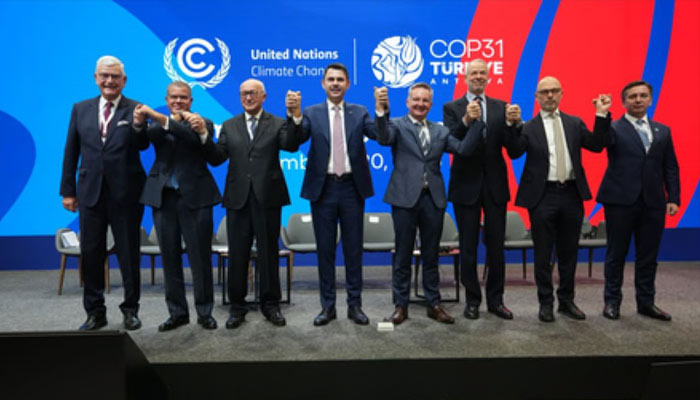
COP31’s Electrification Ambition Faces Scrutiny Over Environmental And Human Rights Risks
The UN climate summit COP31 has called for a major expansion of global electrification by 2035, highlighting clean public transport, energy-efficient buildings and affordable electricity as key priorities. However, environmental campaigners and human rights organisations warn that the growing demand for minerals needed to power this transition could trigger serious ecological damage and exploitation of local communities.
The proposed shift will require vast quantities of metals and minerals for electricity networks, batteries, wind turbines, solar panels and other clean energy infrastructure. Activists argue that unless governments introduce strict safeguards, the transition could create new environmental and social costs.
Global Electrification Target Announced
Türkiye, which is hosting COP31 in partnership with Australia, has placed electrification at the centre of its climate agenda. Its proposed ‘35-by-35’ initiative seeks to raise electricity’s share of global energy consumption from 21 per cent to 35 per cent by 2035, with the aim of reducing greenhouse gas emissions.
The initiative follows earlier commitments at UN climate conferences. COP28 saw countries agree to work towards tripling renewable energy capacity and moving away from fossil fuels, while COP29 focused on energy storage, modernising power grids and climate finance.
COP31 President Murat Kurum, Türkiye’s environment minister, described electrification as the next step in turning those commitments into practical changes in people’s lives. He said the transition would depend on renewable energy, stronger grids, storage systems, clean transport, energy efficiency and green industries.
However, campaigners have noted that the pledge does not specifically mandate the use of renewable electricity. As a result, countries could still rely on coal and other fossil fuels to meet the target.
Mineral Demand Raises Fears Of Wider Damage
The expansion of clean energy technologies has already driven demand for minerals used in electric vehicle batteries, solar panels, wind turbines and modern transport systems.
The International Energy Agency has documented the growing demand for these resources, with mining activity expanding in countries including Indonesia and Brazil. Governments are also examining options such as deep-sea mining to secure supplies.
The proposed COP31 target could accelerate this trend.
Data from the Business and Human Rights Resource Centre recorded more than 300 allegations of human rights abuses associated with transition-mineral mining in 2025, a 73 per cent rise from the previous year.
Emily Iona Stewart, head of policy and advocacy at Global Witness, warned that mining-related abuses could increase further if extraction expands without adequate protections.
Mining has already been linked to deforestation, polluted water sources, habitat destruction and the loss of land and livelihoods among Indigenous communities.
More Than 120 Groups Seek Binding Safeguards
Over 120 international civil society organisations have urged the COP31 presidencies to introduce safeguards as part of the ‘35-by-35’ initiative.
In an open letter, the groups called for ecosystem protection, binding human rights and environmental due diligence, and stronger guarantees for Indigenous peoples.
They stressed that the clean energy transition must not reproduce the damage caused by the fossil fuel industry or create fresh dependencies.
Experts have also called for greater investment in recycling to reduce the need for newly extracted materials. The IEA estimates that large-scale recycling could reduce demand for new mining by 25 to 40 per cent by 2050.
However, inadequate waste management systems and weak regulations remain major obstacles to expanding recycling in many countries.
Critical Minerals Yet To Feature In Formal Talks
Rights advocates have expressed concern that critical minerals and mining are not explicitly addressed in COP31’s official negotiations and central discussions.
They fear that the lack of clear commitments could leave communities and ecosystems exposed as demand for minerals rises.
Aimee Boulanger, executive director of the Initiative for Responsible Mining Assurance, said access to electricity was a basic human need, particularly for communities that remain without power. However, she warned that the benefits of electrification should not come at the cost of communities living near mining operations.
Türkiye is the official host of COP31, while Australia is leading the negotiations. Neither presidency responded to requests for comment.
Comments are closed.