
Delhi Air Quality Worsens Ahead of Diwali, 22 Monitoring Stations Report AQI Above 400

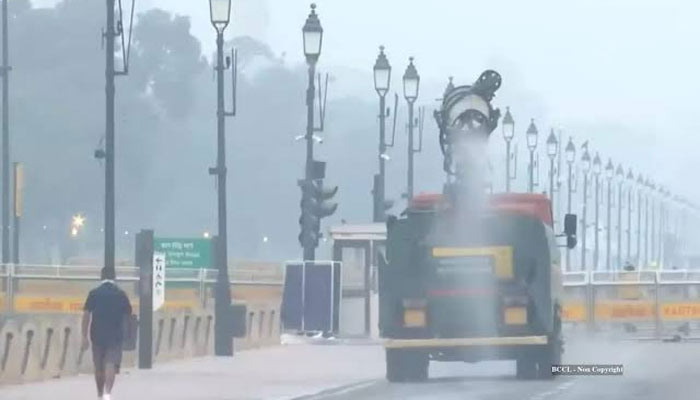
Delhi Pollution Remains Alarming Despite GRAP-III Curbs, AQI Crosses 400 at 22 Locations
Delhi continues to struggle with deteriorating air quality, as pollution levels remain firmly in the ‘Very Poor’ category despite the implementation of Stage-III restrictions under the Graded Response Action Plan (GRAP). The national capital recorded an average AQI of 366, indicating that the measures introduced to combat pollution have yet to bring significant relief.
The situation was particularly worrying in several neighbourhoods, where 22 monitoring stations registered AQI readings above 400, falling under the ‘Severe’ category.
IIT Delhi recorded the highest AQI at 442, followed by Punjabi Bagh at 433 and Vivek Vihar at 427. Jahangirpuri reported 421, while Rohini recorded 418.
Other locations experiencing severe pollution included Bawana (411), DTU (408), Narela (408) and Alipur (402).
The pollution burden also extended to neighbouring NCR cities. Gurugram registered an AQI of 355, while Faridabad recorded 347. Noida and Ghaziabad reported readings of 284 and 286, respectively.
WHAT GRAP-III RESTRICTIONS MEAN
In response to persistently high pollution levels, authorities have enforced Stage-III measures to reduce emissions from construction activities, vehicles and industrial sources.
Under these restrictions, non-essential construction and demolition work has been prohibited, while older BS-III petrol and BS-IV diesel vehicles face movement restrictions. Stone crushers and mining activities have also been ordered to remain suspended.
Authorities have been instructed to intensify mechanical road cleaning and water sprinkling to minimise dust. The entry of non-essential medium and heavy diesel goods vehicles into Delhi has also been restricted.
Interstate diesel buses that do not comply with BS-VI emission standards or operate on cleaner fuels are covered by additional restrictions. Operations of non-compliant brick kilns and hot-mix plants have also been stopped.
SCHOOLS MAY SHIFT TO ONLINE CLASSES
The GRAP-III framework also provides for measures to protect children from prolonged exposure to polluted outdoor air. Depending on local conditions, administrations may consider conducting classes for younger students through online mode.
Despite these interventions, Delhi’s pollution situation remains a major concern, particularly with the festive season approaching. The combination of vehicle emissions, construction dust and industrial pollution continues to put pressure on the city’s air quality.
With 22 monitoring stations recording severe AQI levels, effective enforcement of restrictions and coordinated action across Delhi-NCR will be crucial to preventing further deterioration and providing residents with some relief from the polluted air.
Comments are closed.