
DengiAll: India’s First Indigenous Dengue Vaccine May Launch by 2027—What We Know So Far

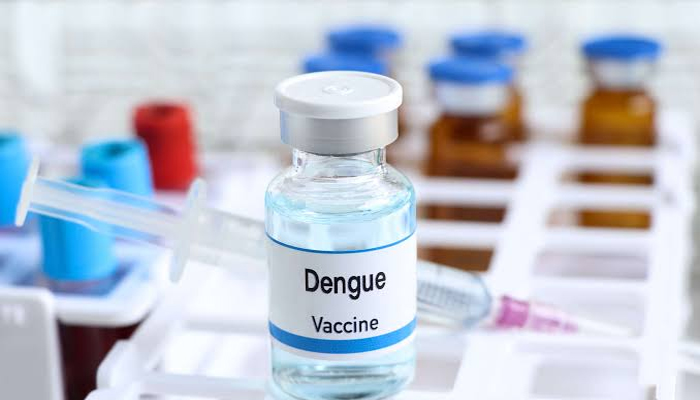
India may be on the verge of a major breakthrough in the fight against dengue, with its first indigenous dengue vaccine, DengiAll, currently being tested in a large Phase 3 clinical trial.
The vaccine is being developed by Panacea Biotec in collaboration with the Indian Council of Medical Research (ICMR). ICMR Director General Dr Rajiv Bahl has said India could potentially have its first home-grown dengue vaccine by the end of 2027, provided the ongoing trials produce favourable results and the vaccine receives the necessary regulatory approvals.
The Phase 3 trial is being conducted at 20 academic and research centres and involves more than 13,000 healthy participants. Investigators have completed nearly 12 months of follow-up, during which participants are being assessed for adverse events, immune responses and laboratory-confirmed dengue infections.
What Is DengiAll?
DengiAll is an indigenous tetravalent dengue vaccine candidate designed to target all four major dengue virus serotypes — DENV-1, DENV-2, DENV-3 and DENV-4.
Panacea Biotec has developed the candidate as a live-attenuated vaccine, which is intended to stimulate an immune response against the four dengue serotypes. The vaccine is also being evaluated as a single-dose formulation.
If its safety and effectiveness are established and it receives regulatory approval, a single-dose vaccine could make dengue vaccination easier to administer on a large scale. However, the final vaccination schedule and recommended use will depend on clinical-trial findings and regulatory decisions.
Why Is a Dengue Vaccine Needed?
Dengue is one of the major mosquito-borne diseases affecting tropical and subtropical regions, including India. It is primarily transmitted by Aedes mosquitoes and can cause high fever, severe headache, muscle and joint pain, nausea and rash.
Most infections may be manageable, but some patients can develop severe dengue, which can lead to bleeding, shock and potentially life-threatening complications.
The presence of four major dengue serotypes also makes vaccine development challenging. Infection with one serotype does not necessarily provide complete protection against the others, increasing the importance of vaccines that can provide broad protection.
Why Is DengiAll Significant for India?
A successful home-grown dengue vaccine could give India an additional tool to tackle recurring outbreaks and reduce the disease burden.
Vaccination would not replace existing dengue-control measures. Eliminating stagnant water, controlling mosquito breeding sites, preventing mosquito bites and ensuring timely diagnosis and treatment would continue to be important parts of dengue prevention.
Could DengiAll Be Available by 2027?
The end of 2027 remains a potential timeline rather than a confirmed launch date.
The ongoing Phase 3 trial must first establish the vaccine’s safety and efficacy. The results will then have to undergo regulatory scrutiny before any approval for public use.
If the trial results are favourable and all regulatory requirements are met, DengiAll could potentially become India’s first indigenous dengue vaccine by the end of 2027.
Until then, dengue prevention will continue to rely primarily on mosquito-control measures, personal protection against mosquito bites and prompt medical attention for people who develop symptoms.
Comments are closed.