
Dengue Surge: The Hidden Health Threat Many Young Professionals Ignore

Dengue Cases Rising: Why Young, Healthy Adults May Still Be at Risk, Doctors Warn
Many people in their 20s and 30s assume that serious illnesses are largely a concern for older adults or those with underlying health conditions. However, doctors are warning that dengue is a notable exception—and can turn severe even in otherwise healthy, active individuals.
According to Dr Pratik Y. Patil, Consultant – Infectious Diseases & Infection Control at KIMS Hospital, Secunderabad, good fitness levels or an active lifestyle do not offer protection against severe dengue.
“You are at the peak of your health. And that can make you feel almost invincible,” Dr Patil said, adding that dengue “does not discriminate by age, fitness or lifestyle.”
Why dengue can turn serious
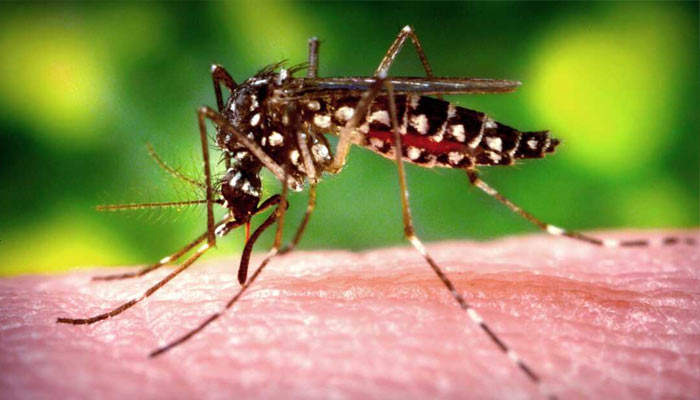
Dengue is a viral infection transmitted through the bite of infected Aedes mosquitoes and is caused by four distinct strains of the virus. Initial symptoms often include high fever, severe body aches, rash and pain behind the eyes.
While many patients recover after the fever subsides, doctors caution that the most dangerous phase can begin at that point. “Severe complications often start just when patients think they are improving,” Dr Patil explained.
Health experts estimate that around one in 20 dengue cases may progress to severe illness.
When the body’s immune response becomes harmful
Unlike many infections where severity is linked to age or chronic illness, dengue complications are often driven by the body’s immune response itself.
“Severe dengue can strike young and otherwise healthy adults because much of the damage is caused by a hyperactive immune response rather than the virus alone,” Dr Patil said.
In severe cases, blood vessels can become leaky, leading to fluid loss, dangerously low blood pressure and shock—a condition known as Dengue Shock Syndrome (DSS). Some patients may also experience severe bleeding, referred to as Dengue Hemorrhagic Fever (DHF), or organ complications requiring urgent care.
Why second infections may be more dangerous
One lesser-known risk factor is that a second dengue infection can be significantly more severe than the first. This is because dengue has four circulating strains, and infection with one does not guarantee protection against the others.
Studies suggest that many dengue infections are asymptomatic, meaning people may not even realise they have been infected previously.
“When a person is infected again with a different strain, existing antibodies may not neutralise the virus effectively and can instead enhance viral replication,” Dr Patil said, referring to a process known as antibody-dependent enhancement (ADE). “That is why second infections are often more severe, regardless of age or fitness.”
Warning signs that require urgent care
Doctors advise against ignoring persistent fever or assuming dengue will remain mild, especially during peak transmission seasons.
According to Dr Patil, patients should seek immediate medical attention if they develop:
Severe abdominal pain
Persistent vomiting
Bleeding from the gums or nose
Blood in vomit, urine or stools
Extreme weakness or restlessness
Difficulty breathing
“Severe dengue can be life-threatening,” he cautioned.
Hidden breeding sites around homes
Experts also stress that dengue risk is not limited to overcrowded or unhygienic environments. The Aedes mosquito can breed in very small amounts of stagnant fresh water often found in overlooked household spaces.
Common breeding sites include water in plant trays, bird feeders, open containers, clogged drains and even puddles formed by leaking air conditioners.
“As dengue cases continue to rise, the disease is increasingly affecting urban, mobile, working-age populations who often underestimate their risk,” Dr Patil said. “Awareness, vigilance and community action remain the most effective tools for prevention.”
Comments are closed.