
Had Dengue Before? A Second Infection Could Be More Dangerous, Doctor Explains Why

Dengue Can Return: Doctor Explains Why a Second Infection May Be More Dangerous
Recovering from dengue once does not mean you are protected for life. The infection is caused by four different virus serotypes—DENV-1, DENV-2, DENV-3 and DENV-4—and immunity developed after one infection generally protects only against that specific serotype. This means a person can contract dengue again after being infected with another type.
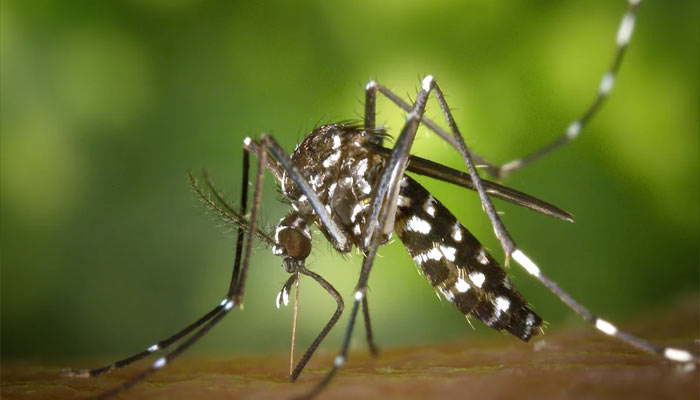
Dengue is transmitted through the bite of infected Aedes mosquitoes, which are active mainly during the daytime. These mosquitoes can breed in stagnant water around homes, workplaces and neighbourhoods. Preventing mosquito bites and eliminating potential breeding sites remain essential ways to reduce the risk of infection.
Why Can Dengue Happen Again?
“Dengue is not necessarily a one-time illness. Having dengue once does not mean a person is protected from getting it again. A person can get dengue up to four times in their lifetime,” says Dr Sandeep Budhiraja, Group Chairman, Internal Medicine & Group Medical Director, Max Healthcare, Delhi.
Dengue has four distinct serotypes, and infection with one generally provides lifelong immunity against that particular type. However, immunity against the other serotypes is not permanent. A person who has recovered from dengue can therefore become infected again, including with a different serotype.
Why Is a Second Infection a Concern?
A second dengue infection involving a different serotype may increase the risk of severe dengue. According to the World Health Organization, sequential infections with different dengue serotypes are associated with a higher risk of severe disease.
Dr Budhiraja explains that one factor involved may be antibody-dependent enhancement (ADE). After the first infection, the body develops antibodies against that dengue serotype. If another serotype enters the body later, some of these antibodies may bind to the new virus without neutralising it effectively.
This may allow the virus to enter certain immune cells more easily, potentially increasing viral levels and contributing to a stronger inflammatory response and more severe illness.
“A previous dengue infection should not create a false sense of protection. In fact, it makes continued prevention particularly important,” he says.
World Mosquito Day: Prevention Is Still Key
Observed on August 20, World Mosquito Day serves as a reminder of the health risks posed by mosquitoes and the importance of preventing mosquito-borne diseases.
Since there is no specific antiviral treatment that routinely eliminates dengue infection, prevention and timely medical care remain crucial. People can lower their risk by removing stagnant water, covering water-storage containers, using mosquito repellents and wearing clothes that cover the arms and legs.
Mosquito nets can also provide protection, especially when resting during the day. Dengue vaccination may be appropriate for certain populations and settings, depending on current public-health recommendations.
Comments are closed.