
Israel Was Ready to Shoot Down Flydubai Plane Carrying 150 Israelis After Cockpit Attack: Report

Israel Prepared to Shoot Down Flydubai Flight After Cockpit Attack, Report Says
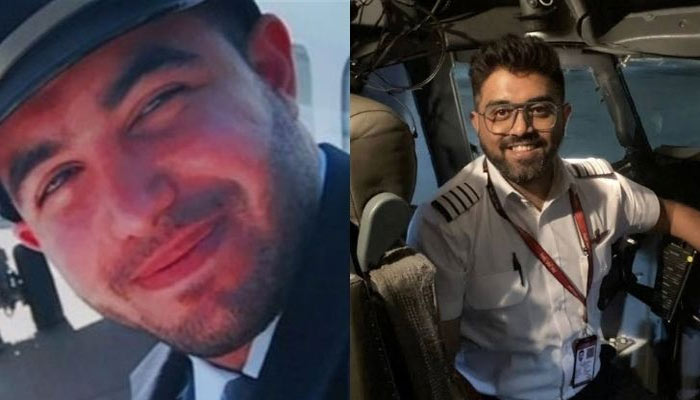
Israel was prepared to take the drastic step of shooting down a Tel Aviv-bound Flydubai passenger plane after an alleged cockpit attack left Indian captain Smit Machchhar fighting to regain control of the aircraft, CBS News reported.
The flight was carrying more than 150 Israeli passengers when Omani co-pilot Hammam Al-Hammami allegedly attacked Machchhar in the cockpit. Two Israeli sources with direct knowledge of the incident told CBS News that Israeli authorities had prepared for the possibility of a 9/11-style scenario and were ready to intercept the aircraft if it was determined to pose a threat.
The situation escalated after the aircraft plunged about 14,000 feet following the attack. The Israeli Air Force attempted to establish contact with the cockpit but received no response. A command centre was activated, Israeli airspace was closed and fighter jets were scrambled to assess the situation.
Israeli Fighter Jets Scrambled
Israeli authorities closely monitored the aircraft as the situation developed. The fighter jets were eventually recalled after the plane turned towards Saudi Arabia, where Saudi authorities also scrambled their own aircraft.
The crisis began to ease after Machchhar managed to open the cockpit door. Israeli passengers and Flydubai crew members then helped restrain the co-pilot, while the aircraft was eventually brought under control and diverted for an emergency landing.
What Would Israel Have Done?
According to the CBS News report, Israel has a long-established procedure for dealing with a passenger aircraft suspected of being hijacked or being used as a potential weapon.
Had the aircraft come within a certain distance of Ben Gurion International Airport, Israeli fighter jets could have entered Jordanian airspace to intercept it and conduct a visual assessment. Pilots would have attempted to establish visual contact with the cockpit and determine what was happening inside the aircraft.
Any signs of panic or an apparent hijacking would have been relayed to the Israeli Air Force and a pre-established committee. If authorities concluded that the aircraft had been hijacked and remained unresponsive to radio communications, the matter could have been escalated to the Israeli Prime Minister and Defence Minister.
Israel maintains a policy allowing a rogue aircraft to be shot down in extreme circumstances. However, the final decision rests with the Prime Minister.
The Israeli sources told CBS News that, in a worst-case scenario, destroying the passenger aircraft could have been considered preferable to allowing it to crash into a densely populated area, Ben Gurion Airport or another high-value target, potentially killing hundreds of people.
Co-Pilot Under Investigation
Al-Hammami is currently in the United Arab Emirates, where he is reportedly undergoing a second round of questioning after initially being interrogated by Saudi authorities following the aircraft’s emergency landing.
Israeli officials have also sent representatives to the UAE as part of the investigation into the cockpit attack.
The Jerusalem Post has reported that investigators are examining claims that Al-Hammami had researched airlines operating flights to Israel and had visited the country months before the incident.
According to the report, Al-Hammami allegedly told investigators that he had applied to airlines flying to Israel, researched which carriers operated Tel Aviv routes and ultimately chose Flydubai. He reportedly claimed that he had planned the operation before being hired.
Security Questions Raised
The incident has also raised questions about the vetting of Al-Hammami and how he was able to secure employment with an airline operating flights to Israel.
Israeli security agencies, including Mossad and Shin Bet, have faced scrutiny over whether sufficient checks were carried out before his employment.
The incident is particularly sensitive because Israel and Oman do not have diplomatic relations. Reports have also raised questions about the rules governing which foreign pilots are permitted to operate flights into Israel and whether existing security procedures were adequate to detect a potential threat before the flight took off.
Comments are closed.