
Moringa Benefits: 8 Reasons Why Drumstick Is Considered a Superfood

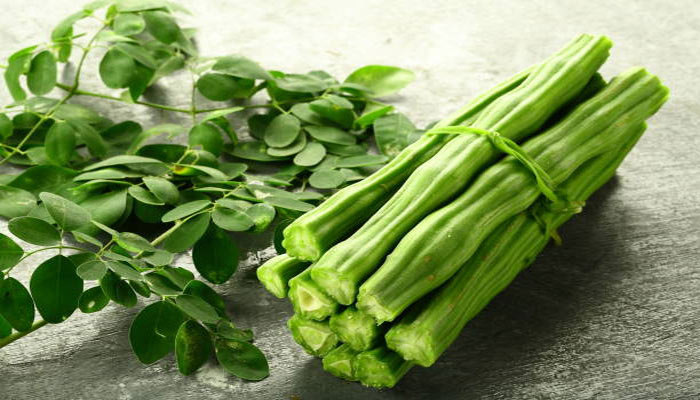
Moringa: The Nutrient-Packed Superfood You Should Know About
Moringa, popularly known as drumstick, has long been used in Indian households and traditional medicine. From its leaves and pods to its nutritional value, the plant is known for providing several essential nutrients. Dr Aastha Mishra, Ayurveda Medical Officer at the Government Ayurveda Dispensary in Bilaspur, Chhattisgarh, points to its natural supply of iron, folate, calcium, magnesium and other nutrients that can support overall wellbeing.
Here are some of the key health benefits associated with adding moringa to the diet.
1. Helps Support Healthy Red Blood Cell Production
Moringa is a useful dietary source of iron and folate, nutrients that play an important role in the formation of red blood cells. Including drumstick leaves or pods in regular meals may therefore help improve overall nutritional intake for people vulnerable to iron or folate deficiencies. However, severe anaemia requires proper medical evaluation and treatment.
2. Supports Bone Strength
Calcium and magnesium are essential for maintaining healthy bones, and moringa contains both minerals. In Ayurveda, drumstick leaves and pods are traditionally used to support bone and joint health and may form part of dietary care for people concerned about weakening bones.
3. May Help With Joint Pain and Swelling
Traditional Ayurvedic descriptions classify moringa as shoolhar, or pain-relieving, and shothhar, referring to its anti-swelling properties. Its regular dietary use is associated with supporting people experiencing stiffness, body aches and joint discomfort.
4. Aids Digestion
Moringa is also valued for its traditional deepan-pachan properties, which are linked to stimulating digestion and supporting the absorption of nutrients. Consuming drumstick as part of a balanced diet may help maintain digestive function and reduce issues such as bloating.
5. Traditionally Used to Balance Doshas
Moringa has a distinctive bitter and pungent taste, described in Ayurveda as katu-tikta, along with a warming quality known as ushna virya. Traditionally, these characteristics make it particularly useful for supporting the balance of vata and kapha. It is also associated with helping manage excess mucus and supporting metabolic processes.
6. Provides Antioxidant Support
Another reason moringa has gained attention as a superfood is its antioxidant content. Antioxidants help the body deal with oxidative stress caused by free radicals. As part of a nutritious diet, moringa can contribute to cellular protection and the body’s natural defence mechanisms.
7. Adds Essential Nutrients to Everyday Meals
One of moringa’s biggest advantages is its combination of important micronutrients. Iron, folate, calcium and magnesium all perform vital functions in the body, making drumstick leaves and pods a nutrient-dense addition to everyday meals.
8. Chhattisgarh Promotes Moringa at the Household Level
The nutritional importance of drumstick has also featured in Chhattisgarh’s public health efforts. The state launched the ‘Har Ghar Munga’ campaign to address malnutrition and anaemia by encouraging households to grow moringa.
Under the initiative, free saplings were distributed to 7.88 lakh families through 52,553 Anganwadi centres. In Raipur, Chief Minister Vishnu Deo Sai led a plantation drive that saw 50,000 moringa saplings planted in a single day.
The Takeaway
Moringa’s combination of iron, folate, calcium, magnesium and antioxidants makes it a valuable addition to a balanced diet. Its long-standing place in Ayurveda further adds to its popularity. While drumstick can support everyday nutrition, it should not replace prescribed treatment for anaemia, osteoporosis or other medical conditions.
Comments are closed.