
US top court curbs nationwide injunctions in Trump birthright citizenship case

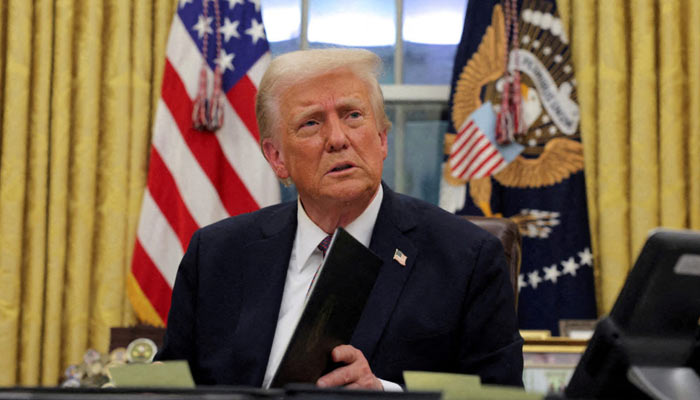
US Supreme Court limits nationwide blocks on Trump’s birthright citizenship order
The US Supreme Court on Tuesday delivered a major procedural win to President Donald Trump by limiting the power of federal judges to impose nationwide injunctions against his executive order restricting birthright citizenship, while leaving the policy’s constitutionality unresolved.
In a 6-3 ruling, the court did not decide whether Trump’s executive order is constitutional. Instead, it ruled that lower courts generally cannot issue nationwide injunctions that extend beyond the parties involved in a case. The decision sends the matter back to lower courts to reconsider the scope of the injunctions.
Trump signed the executive order on January 20, 2025, directing federal agencies to deny automatic US citizenship to children born in the country if neither parent is a US citizen or lawful permanent resident. The policy targets children born to undocumented immigrants and certain temporary visa holders.
The order had been blocked nationwide by federal courts before it could take effect. Following Tuesday’s ruling, those nationwide blocks are likely to be narrowed, potentially allowing the administration to enforce the policy in jurisdictions not covered by specific court orders while legal challenges continue.
At the heart of the dispute is the Citizenship Clause of the 14th Amendment, which states that “all persons born or naturalised in the United States, and subject to the jurisdiction thereof, are citizens of the United States.”
For more than a century, the clause has been widely interpreted to guarantee citizenship to almost everyone born on US soil, regardless of their parents’ immigration status, with limited exceptions such as children of foreign diplomats.
The Trump administration argues that the phrase “subject to the jurisdiction thereof” should exclude children of undocumented immigrants and some temporary visa holders. Opponents maintain that the order violates both the Constitution and long-established legal precedent.
The lawsuits challenging the executive order were brought by states, immigrant rights organisations and affected families, who argue that ending birthright citizenship by executive action is unconstitutional.
Tuesday’s ruling does not settle that constitutional question. Instead, it addresses only the scope of judicial relief, meaning the legality of Trump’s birthright citizenship order will continue to be litigated in lower courts and could eventually return to the Supreme Court for a decision on its merits.
Comments are closed.