
Nearly 3,000 Excess Deaths Recorded as England Endures Record-Breaking Heatwaves

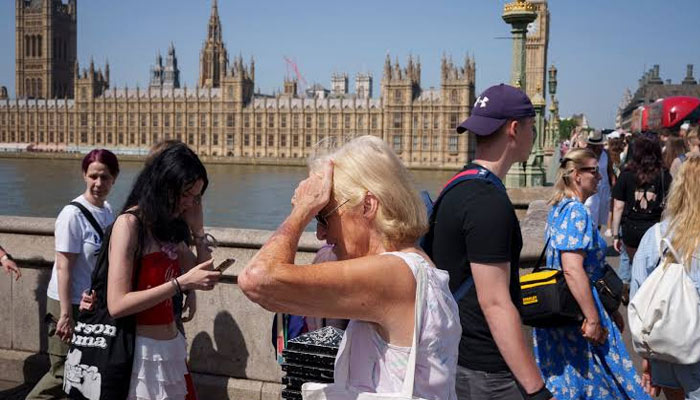
Record Heatwaves Linked to Nearly 3,000 Excess Deaths in England
Record-breaking heatwaves in May and June are estimated to have caused 2,877 excess deaths in England, according to provisional figures released by the UK Health Security Agency (UKHSA). Officials warned the final toll is likely to rise further, with July’s prolonged heatwave yet to be included.
The latest estimate is almost double the 1,504 excess deaths recorded during the whole of summer 2025, prompting health authorities to describe the impact of extreme heat as a growing public health concern.
“These figures highlight the significant danger that very hot weather can pose to people’s health,” said Ross Thompson, Principal Environmental Public Health Scientist at the UKHSA.
Health Secretary Yvette Cooper said Britain has long associated increased illness and deaths with winter, but rising temperatures are changing that pattern. “We are now seeing the summer heat have an increasingly serious impact on the health of thousands of people,” she said.
2026 Could Be the Deadliest Summer Yet
The UKHSA said 2026 is on track to become England’s deadliest summer for heat-related deaths if current trends continue. The agency estimates excess mortality by comparing deaths on days when temperatures exceed 20°C with average mortality on cooler days.
The provisional breakdown shows:
May: 753 excess deaths
June: 2,124 excess deaths
June included a rare Red Heat Warning, issued during one of the most intense heatwaves ever recorded in the country. The current record stands at 2,985 heat-associated deaths, recorded during the summer of 2022. With July’s figures still pending, officials believe that record could be surpassed.
Climate Change Driving Rising Heat Risks
The UKHSA urged authorities and healthcare services to prepare for heatwaves from the start of summer rather than treating them as isolated events later in the season.
The figures add to growing concerns over the UK’s preparedness for climate change. The Climate Change Committee (CCC) warned last year that the country was “not ready” for the health impacts of rising temperatures.
In a report published in May, the CCC estimated that 92% of UK homes could overheat by 2050 and recommended measures including workplace temperature limits and greater investment in cooling systems for hospitals, schools and other public buildings.
Experts say the latest data highlights how extreme heat is becoming an increasingly significant public health threat, with older adults, people with chronic illnesses and other vulnerable groups facing the greatest risk.
Comments are closed.