

How Climate Change Is Changing The Spread Of Dengue
Dengue, once largely considered a seasonal disease linked to the monsoon, is increasingly becoming a year-round public health concern. Health experts warn that climate change is altering the behaviour of dengue-carrying mosquitoes, leading to longer transmission seasons, more frequent outbreaks and the spread of the disease into previously unaffected regions.
According to Dr. Harshad Limaye, Director of Infectious Diseases and Internal Medicine at Nanavati Max Super Speciality Hospital, the impact of rising temperatures and changing weather patterns is already becoming visible in dengue trends across India and other parts of the world.
“Dengue is no longer behaving like a strictly seasonal or limited tropical infection. Across many regions, doctors and public health teams are seeing dengue appear earlier, last longer, and reach areas where it was once uncommon,” he said.
The Climate-Dengue Connection
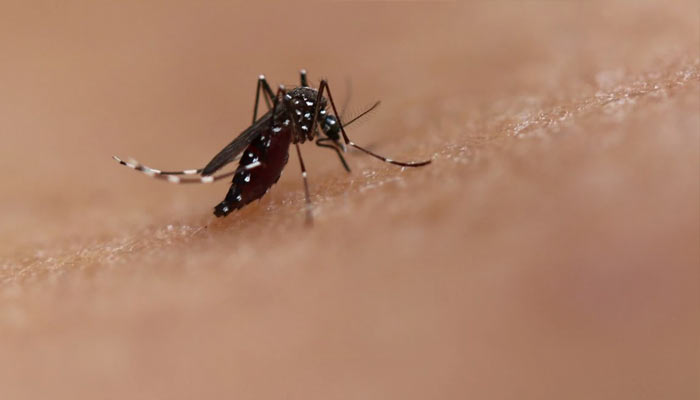
Dengue is transmitted by infected Aedes mosquitoes, which breed in clean stagnant water found in coolers, flowerpots, tyres, water tanks, construction sites and other containers.
These mosquitoes thrive in warm and humid conditions. As global temperatures continue to rise and rainfall becomes more erratic, the environment is becoming increasingly favourable for mosquito survival and reproduction.
Dr. Limaye explained that warmer temperatures not only help mosquitoes breed faster but also accelerate the development of the dengue virus inside them. This allows infected mosquitoes to transmit the virus more quickly, increasing the risk of outbreaks.
“When temperatures remain favourable, dengue transmission can intensify and outbreaks can grow at a faster pace,” he noted.
Why Rainfall Patterns Matter
Traditionally, dengue cases peaked during and immediately after the monsoon season. However, climate change is making weather conditions less predictable.
Heavy rainfall events often leave behind stagnant water, creating ideal breeding sites for mosquitoes. At the same time, prolonged dry spells can also contribute to dengue risk as households store water in containers that may become breeding grounds if not properly covered.
As a result, both flooding and drought conditions can inadvertently support mosquito populations and increase transmission risks.
Dengue Is Expanding Beyond Traditional Hotspots
One of the most concerning effects of climate change is the geographical expansion of dengue.
Rising temperatures are allowing Aedes mosquitoes to survive in areas that were once too cool for them, including some higher-altitude and temperate regions. This means populations with little prior exposure to dengue may now face a growing risk of outbreaks.
Experts believe that while extreme heat can reduce mosquito survival in some locations, the overall effect of climate change is likely to expand the areas vulnerable to dengue transmission.
Urbanisation Is Amplifying The Threat
Climate change is not acting in isolation. Rapid urbanisation is also creating conditions that favour mosquito breeding.
Poor drainage systems, waterlogging, construction activity, waste accumulation and inconsistent water supply in densely populated cities provide abundant breeding sites. Increased travel and movement of people further help the virus spread between communities and regions.
“Human travel and daily movement can carry the virus from one area to another, allowing outbreaks to spread beyond their original location,” Dr. Limaye said.
Protecting Yourself Against Dengue
Experts recommend taking preventive measures throughout the year, particularly as dengue transmission patterns become less predictable.
Some simple steps include:
Removing stagnant water from homes and surrounding areas
Keeping water storage containers tightly covered
Cleaning coolers, drains and tanks regularly
Disposing of unused containers, tyres and other waste that can collect water
Using mosquito repellents
Wearing long-sleeved clothing, especially during the daytime
Unlike many other mosquito species, Aedes mosquitoes are most active during daylight hours.
Warning Signs To Watch For
Seek medical attention if fever is accompanied by symptoms such as:
Severe headache
Pain behind the eyes
Body and joint pain
Skin rash
Vomiting
Abdominal pain
Bleeding from the gums or nose
Excessive drowsiness
Sudden weakness
Early diagnosis and timely medical care can help prevent serious complications.
As climate change continues to reshape weather patterns around the world, experts warn that dengue is likely to remain an evolving public health challenge. While large-scale action is needed to address climate change, reducing mosquito breeding sites and maintaining awareness at the community level remain critical tools in controlling the disease.
“Climate change may be a global challenge, but dengue prevention still starts with consistent action in our homes and neighbourhoods,” Dr. Limaye said.
Comments are closed.