
India-Pakistan Cricket Rivalry Becomes a Spectacle: No Bilateral Ties, but 14 Matches in 14 Months

India-Pakistan Cricket Rivalry: 14 Matches in 14 Months, but No Bilateral Series
India’s cricketing rivalry with Pakistan is increasingly becoming a commercial spectacle, raising questions about the consistency of the policies followed by the two cricket boards. Despite refusing to resume bilateral cricket ties, the two countries have faced each other 14 times across senior, A-team and age-group competitions in just 14 months.
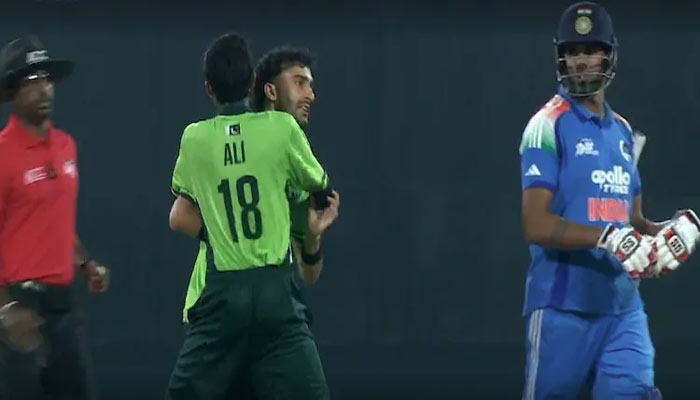
The latest encounter took place in Doha on Sunday, where Pakistan Shaheens defeated India A by 48 runs in the Men’s Rising Stars Asia Cup. Led by Tilak Varma, the Indian side featured promising players such as Abhishek Sharma and Vaibhav Sooryavanshi. However, the contest was marked by interruptions, heated exchanges and on-field confrontations, with Harshit Rana also involved in verbal altercations with Pakistan’s batters.
The match, which began at 3.30 pm IST on Sunday, concluded around 12.20 am on Monday, turning a 100-over contest into an almost nine-hour affair. The prolonged encounter also coincided with India’s first Test against New Zealand in Wellington, leaving cricket enthusiasts with nearly 21 hours of international cricket to follow.
The Doha match was also the second India-Pakistan encounter in just eight days. Earlier, India’s Under-19 team had defeated Pakistan in a thrilling final of the U19 Asia Cup on November 14. India chased down a target of 338 runs, securing a dramatic one-wicket victory in the final over.
Bilateral Cricket Remains Suspended, But Encounters Keep Increasing
The frequency of these encounters has raised questions about the stance of the Board of Control for Cricket in India (BCCI), the Pakistan Cricket Board (PCB) and the Asian Cricket Council (ACC).
Since the senior men’s Asia Cup in September 2025, India and Pakistan have played 14 matches across different levels of cricket. The figure is particularly striking considering that bilateral series between the two countries remain suspended.
For comparison, in 2007, the last year India and Pakistan played a bilateral Test series, the two sides met 10 times across Test matches, ODIs and the inaugural men’s T20 World Cup.
The present arrangement has effectively created more opportunities for the two teams to meet through multi-nation tournaments, where they are frequently placed in the same groups. Depending on the tournament format, another encounter can also take place in the knockout stages.
This has raised questions about whether the opposition to bilateral cricket is based entirely on sporting and political principles or whether commercial considerations influence the willingness to organise matches through tournaments.
India-Pakistan fixtures remain among cricket’s biggest television and digital attractions. Broadcasters, sponsors and tournament organisers benefit enormously from the enormous viewership generated by these encounters. However, the growing commercial importance of the rivalry has also created concerns about whether sporting priorities are being overshadowed.
Too Many Tournaments, Too Much Rivalry?
The increasing number of competitions involving India and Pakistan has also prompted questions about the need for overlapping tournaments.
The senior men’s Asia Cup, Under-19 Asia Cup and Rising Stars Asia Cup provide valuable opportunities for emerging players to gain international exposure. Such competitions are important for developing talent and preparing young cricketers for higher levels of competition.
However, the repeated scheduling of tournaments featuring the same opponents has raised concerns about whether the focus is gradually shifting from player development to generating commercially attractive India-Pakistan encounters.
The challenge is to ensure that these competitions retain their sporting purpose rather than becoming platforms for repeatedly promoting one high-profile rivalry.
On-Field Hostility Becoming a Growing Concern
Beyond the commercial debate, the conduct of players during recent India-Pakistan matches has emerged as another major concern.
India’s Under-19 team’s celebrations following its victory in the Asia Cup final attracted criticism after videos appeared to show players making inappropriate gestures and using abusive language towards their Pakistani opponents.
BCCI secretary Devajit Saikia played down the controversy, defending the youngsters’ right to celebrate their victory.
The Rising Stars Asia Cup encounter in Doha also witnessed heated exchanges, with Harshit Rana involved in confrontations with Pakistan batters. Animated send-offs and verbal exchanges added to the tension during the match.
The hostility is not limited to age-group cricket. The 2025 men’s Asia Cup witnessed a series of controversies, beginning with India’s decision to avoid customary handshakes with Pakistani players.
Subsequent incidents, including Sahibzada Farhan’s gun-firing celebration and Haris Rauf’s controversial gestures referencing India’s military operation and aircraft losses, further intensified tensions. Reactions from both sides increasingly shifted attention away from cricket.
Such incidents risk creating an unhealthy atmosphere, particularly for young players who are still developing their understanding of international sport. Competitive intensity is an essential part of cricket, but personal attacks and provocative behaviour should not become accepted features of the game.
Asia Cup Trophy Controversy Adds to Administrative Questions
The administrative handling of India-Pakistan cricket has also come under scrutiny following controversies surrounding the presentation of Asia Cup trophies.
Both India’s men’s and women’s teams have won their respective Asia Cup titles, but the trophy presentation issues have left questions unanswered.
ACC president and PCB chairman Mohsin Naqvi became central to the controversy, while BCCI secretary Devajit Saikia indicated that the trophies would eventually be brought to Mumbai.
The situation has raised concerns about the functioning of the Asian Cricket Council and its ability to ensure that tournament winners receive the recognition and awards they deserve.
A championship victory should ideally conclude with a proper trophy presentation rather than prolonged administrative disagreements.
Commercial Interests Versus Sporting Principles
With India-Pakistan encounters continuing to attract massive audiences, there appears to be little incentive for tournament organisers and broadcasters to reduce their frequency.
However, the contrast between the suspension of bilateral cricket and the repeated scheduling of matches through multi-team tournaments has become increasingly difficult to ignore.
The growing number of encounters, controversies over player conduct, trophy disputes and the politicisation of sporting occasions have collectively raised questions about the direction in which the rivalry is heading.
India and Pakistan may continue to meet in continental and international competitions, but the administrators must ensure that cricket remains the central attraction.
Fourteen matches in 14 months, despite the absence of bilateral ties, may be commercially attractive. But unless the focus returns to sporting excellence, discipline and mutual respect, one of cricket’s most celebrated rivalries risks becoming an endless cycle of promotional campaigns, confrontations and controversies.
Comments are closed.