
After Roland Garros Battle, Sabalenka and Osaka Call for Prime-Time Equality

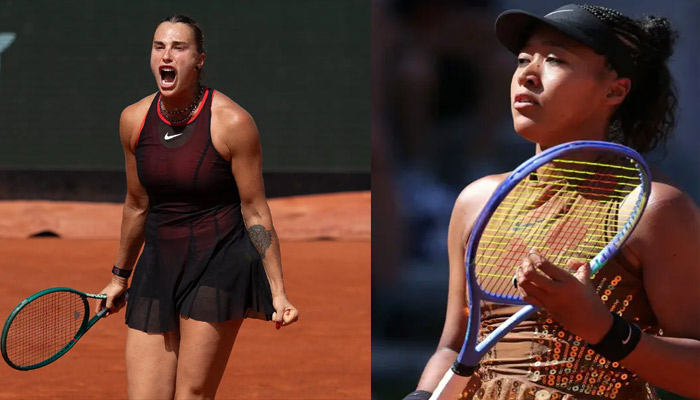
Sabalenka, Osaka Hope Roland Garros Night Session Sparks Lasting Change
Aryna Sabalenka and Naomi Osaka may have been opponents on Court Philippe-Chatrier, but after their blockbuster French Open clash, both stars found themselves aligned on a bigger issue — giving women’s tennis a regular place in Roland Garros’ prime-time spotlight.
Sabalenka advanced to the quarter-finals with a 7-5, 6-3 victory over Osaka in the fourth round on Monday, but the significance of the contest extended well beyond the result. The match became the first women’s singles night session at Roland Garros since 2023, ending a lengthy stretch in which the tournament’s showcase evening slot had been dominated exclusively by men’s matches.
For years, organisers have faced criticism over the scheduling imbalance, with many players and fans questioning why women’s matches were rarely considered for the prime-time stage. Monday’s highly anticipated showdown between two of the sport’s biggest names provided a timely response.
Speaking after the win, Sabalenka said the atmosphere and interest surrounding the contest should encourage tournament officials to rethink future scheduling decisions.
“I think it was the right choice to put our match in the night session,” Sabalenka said. “The crowd was incredible, and hopefully this shows that women’s matches can create a great atmosphere as well. I hope this opens the door for more opportunities in the future.”
Osaka shared a similar view, saying she felt privileged to be part of a match that could influence how women’s tennis is showcased at Roland Garros going forward.
“I was honoured that they chose us for that slot,” Osaka said. “Hopefully they continue doing it.”
The debate has become one of the most discussed topics at Roland Garros since the introduction of standalone night sessions in 2021. Tournament director Amelie Mauresmo has repeatedly defended the scheduling choices by pointing to the unpredictability and length of men’s five-set matches. Critics, however, have argued that such reasoning unfairly limits the visibility of the women’s game.
Monday’s contest strengthened the case for change. Featuring the world No. 1 against a four-time Grand Slam champion making her deepest run yet in Paris, the match delivered the quality, drama and star power expected from a prime-time attraction.
While Sabalenka ultimately emerged victorious, Osaka left Paris encouraged by her progress on clay, having reached the fourth round of the French Open for the first time in her career. The Japanese star also offered a reflective perspective on competition, emphasizing that victories and defeats do not define a player’s worth.
For both women, the evening represented more than a place in the tournament schedule. It was an opportunity to showcase the appeal of women’s tennis on one of the sport’s biggest stages and make a statement about its place in the future of the game.
If the atmosphere inside Philippe-Chatrier and the reaction that followed are any indication, Sabalenka and Osaka may have strengthened the argument that women’s tennis deserves a far more consistent presence under the lights in Paris.
Comments are closed.