

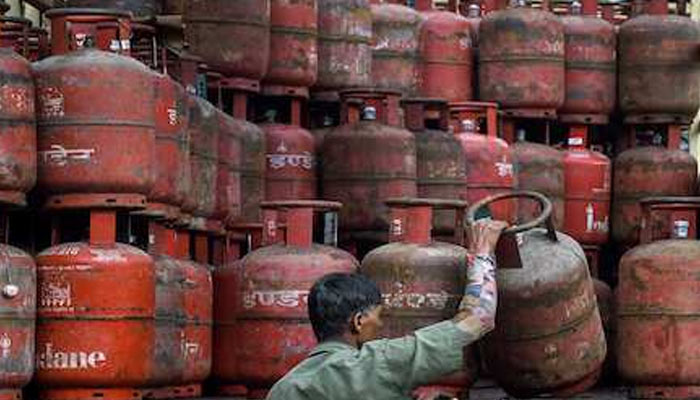
The government is rolling out a new incentive scheme to encourage city gas distributors to expand piped natural gas (PNG) connections, as supply disruptions linked to the US-Iran conflict push up the cost of imported LPG, Reuters reported.
The initiative seeks to persuade more households to switch from LPG cylinders to piped gas. Expanding PNG coverage could help India reduce its reliance on overseas LPG supplies and potentially ease the government’s subsidy burden.
How Will The New Incentive Work?
The scheme will come into effect in September. Under it, city gas distribution companies will receive an additional 200 standard cubic metres of cheaper domestic gas for every household that gets connected to PNG and begins using and paying for the service.
The additional allocation is expected to lower the average cost of gas procurement for distributors, making it more attractive for them to invest in new household connections.
The scheme will also focus on existing PNG connections that are currently inactive. Distributors will have an incentive to revive these connections and expand their networks into areas where more households can be brought onto the piped-gas system.
The Ministry of Petroleum and Natural Gas estimates that the scheme could reduce the time required for distributors to recover the cost of new connections to around three years, from roughly 10 years at present.
Why Is India Promoting PNG?
India is the world’s second-largest LPG importer and meets around 60% of its LPG demand through imports. A large portion of those supplies comes from the Middle East, leaving the country exposed to shipping disruptions and price increases during regional conflicts.
India imported around 22 million metric tonnes of LPG in 2025 at a cost of nearly $12 billion, with the Middle East accounting for most of the imports.
The latest supply concerns have prompted the government to look for ways to reduce dependence on imported LPG. Expanding PNG connections is one such option, particularly in urban areas covered by city gas networks.
India currently has around 17.4 million domestic PNG connections. By comparison, the country had approximately 331.4 million active household LPG customers as of July 1.
The wide gap between the two figures indicates significant scope for PNG expansion.
Gas Firms Step Up Customer Incentives
City gas distributors have already begun offering benefits to attract more households to PNG since the conflict intensified. Indraprastha Gas, Mahanagar Gas, GAIL Gas and Bharat Petroleum are among the companies that have offered measures such as reduced installation charges for new connections.
The government’s incentive scheme is expected to add another push for distributors to expand their networks and bring inactive connections back into use.
For consumers, PNG provides cooking gas directly through a pipeline, removing the need to book, receive and replace LPG cylinders. For India, a broader PNG network could help diversify household cooking-fuel use and reduce pressure on imported LPG supplies.
Comments are closed.