
Iran Leader’s Son Mojtaba Khamenei ‘Pulled From Rubble’ After Tehran Hospital Strike

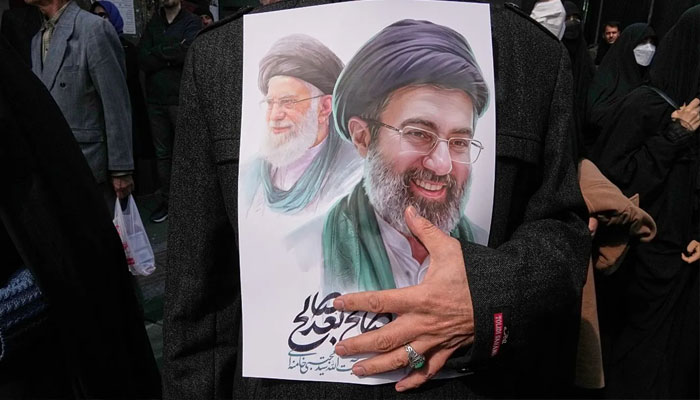
Iran’s Supreme Leader Mojtaba Khamenei was reportedly pulled alive from the rubble of a Tehran hospital after the facility was hit during US and Israeli strikes, according to Iranian cleric Mohsen Heydari.
Heydari, a member of Iran’s Assembly of Experts, made the claim in an interview with Qatar-based broadcaster Al Araby on Thursday. His account was reported by the New York Post but has not been independently verified.
According to Heydari, Khamenei had already been wounded in earlier strikes and was taken to a hospital for treatment. He said three hospitals in Tehran were subsequently targeted, with Khamenei inside the third facility when it was struck.
“Mojtaba Khamenei was in the third hospital and was pulled from the rubble,” Heydari said, according to the New York Post.
What happened to the hospitals?
Heydari did not provide a specific date for the strikes on the three hospitals. The New York Post reported that the attacks took place sometime after the opening US-Israeli strikes on February 28.
Those initial attacks killed Iran’s then-Supreme Leader Ayatollah Ali Khamenei and several senior officials, according to reports. Mojtaba Khamenei was subsequently reported to have suffered injuries.
Heydari said Khamenei was later taken to an undisclosed location. His whereabouts have not been publicly confirmed, and he has not appeared or spoken publicly since.
Neither the US nor Israel has confirmed Heydari’s account. Iranian authorities have also not independently confirmed that Khamenei was inside the hospital when it was struck.
How did Mojtaba Khamenei become supreme leader?
Heydari also described the circumstances surrounding Khamenei’s selection as Iran’s supreme leader on March 8.
He claimed Khamenei did not know he had been chosen until the announcement was broadcast on Iranian state television.
The Assembly of Experts, the body responsible for selecting the supreme leader, was itself reportedly caught up in the fighting. According to the New York Post, its secretariat in Qom was bombed, killing eight people and destroying documents connected to the leadership process.
Heydari said members subsequently wrote their votes on paper before gathering in a secure room. He claimed he was the first to nominate Khamenei.
According to Heydari, members were told that Khamenei was in sufficiently good health to lead and met the required religious and leadership criteria. He reportedly secured 50 of the 59 votes, with eight votes going to Ayatollah Alireza Arafi and one member abstaining.
Conflicting accounts over Khamenei’s health
The circumstances surrounding Khamenei’s reported injuries remain disputed.
US intelligence assessments have reportedly suggested that he suffered severe facial injuries in the strikes. US President Donald Trump also said last month that he believed Khamenei was alive but badly wounded.
“I don’t think he’s dead,” Trump told commentator Glenn Beck, while claiming the left side of Khamenei’s body had been seriously injured.
Iranian President Masoud Pezeshkian has given a sharply different account. Speaking to Fox News this week, Pezeshkian said Khamenei was “completely” healthy and claimed the two had met for around seven hours the previous month.
No independent confirmation
There is currently no independent confirmation that Mojtaba Khamenei was inside the Tehran hospital when it was bombed or that he was subsequently pulled from the rubble.
The conflicting accounts from Heydari, US intelligence and Iranian officials have left Khamenei’s condition and whereabouts unclear, while his absence from public view has added to the uncertainty surrounding Iran’s leadership.
Comments are closed.