
US cautions Iran over proposed Strait of Hormuz tolls, warns Oman of sanctions if it intervenes

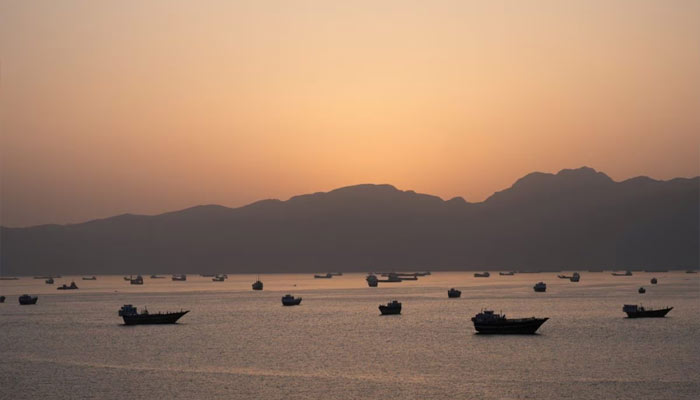
Tensions in the Gulf escalated after the United States issued strong warnings and threatened sanctions over reported attempts linked to Iran and Oman involving the Strait of Hormuz, a key global shipping route.
US Treasury Secretary Scott Bessent warned that Washington would impose sanctions on any country, company, or individual assisting Iran in introducing any form of toll system in the strategic waterway. He said the United States “will not tolerate” efforts to regulate or monetise passage through the strait, stressing that global maritime traffic must remain free and uninterrupted.
Bessent also singled out Oman, a long-standing regional partner of the US, warning that Washington would “aggressively target” any party directly or indirectly involved in facilitating such arrangements.
“All nations should reject outright any efforts by Iran to disrupt the free flow of commerce,” he wrote on social media platform X, adding that Iran had “no right” to interfere with global shipping in the region.
The diplomatic friction deepened after comments from Donald Trump, who dismissed reports suggesting discussions between Iran and Oman over jointly managing shipping movement through the Strait of Hormuz.
“It’s international waters and Oman will behave just like everybody else or we’ll have to blow them up,” Trump said during a Cabinet meeting, remarks that drew attention due to Oman’s traditionally close ties with Washington.
The White House later rejected Iranian media claims about such a framework, calling them a “complete fabrication,” while reiterating that the strait would remain open under international maritime norms.
The dispute unfolded amid continuing regional instability, with military tensions still simmering across the Gulf. Reports of strikes and retaliatory actions between US and Iranian-linked forces added to concerns that the situation could further deteriorate despite ongoing diplomatic efforts to restore calm.
Iranian state media and military-linked statements continued to warn of stronger responses if further attacks occur, underscoring how fragile the current ceasefire and diplomatic balance remains in the region.
Comments are closed.