
Israel Warns of Potential US-Backed Strikes on Dahiyeh Amid Hezbollah Tensions

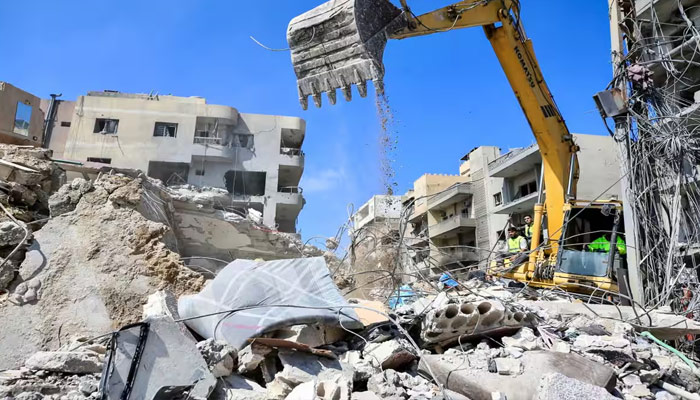
Israeli Defence Minister Israel Katz on Tuesday said the United States has backed Israel’s stance that it could strike Beirut’s southern Dahiyeh suburb if attacks by Iran-backed Hezbollah on northern Israeli communities continue.
Speaking at a conference, Katz said Israel has adopted a new security doctrine under which any attacks on Israeli towns would prompt retaliatory strikes on Dahiyeh, widely regarded as a Hezbollah stronghold. “The Prime Minister and I led a coordinated move with the IDF to establish a new equation,” Katz said in a statement issued by the Defence Ministry. “If Israeli towns continue to be attacked, we will evacuate and strike the Shiite Dahiyeh quarter in Beirut.”
Katz claims US endorsement
Katz further claimed that Washington had endorsed the policy and communicated it to Lebanese authorities and other relevant parties in the region.
“The United States endorsed this principle and conveyed it to the Lebanese government and all relevant actors,” he said. “Either the fire on Israeli communities stops, or we will strike in Dahiyeh. This equation will be upheld.”
Heightened regional tensions
The comments come amid continued cross-border hostilities between Israel and Hezbollah, despite diplomatic efforts aimed at preventing a wider escalation of the conflict. On Monday, US President Donald Trump reportedly urged Israeli Prime Minister Benjamin Netanyahu to avoid striking Beirut in an effort to reduce tensions in the ongoing confrontation.
Following the intervention, Lebanese authorities indicated that Israel would refrain from carrying out threatened strikes on Beirut’s southern suburbs, while Hezbollah would scale back attacks on northern Israel. However, Israeli military operations continued in southern Lebanon on Tuesday, with airstrikes and artillery fire reported in several areas.
Katz reiterated that Israel’s response would depend on whether attacks on northern Israeli communities stop in the coming days. “The test of this policy is simple: if the attacks stop, there will be no strike; if they continue, the response will follow,” he said.
Comments are closed.