
8 Things You Should Do When Your Muscles Feel Sore After a Workout

Sore After A Workout? These 8 Recovery Tips Can Help Ease Muscle Pain
Feeling sore after an intense workout is a common experience, especially if you’ve pushed your limits or tried a new form of exercise. This post-workout discomfort, known as delayed onset muscle soreness (DOMS), typically peaks within 24 to 72 hours and is a natural part of the muscle recovery process. While soreness usually fades on its own, a few simple habits can help you recover more comfortably.
1. Keep Your Body Moving
Complete rest isn’t always the best remedy. Gentle activities such as walking, stretching, or light cycling can boost blood flow to sore muscles, helping reduce stiffness and improve mobility.
2. Stay Well Hydrated
Water is essential for muscle function and recovery. Drinking enough fluids throughout the day can help your body recover efficiently and may reduce feelings of fatigue after exercise.
3. Eat Enough Protein
Muscles rely on protein to repair microscopic damage caused by exercise. Include protein-rich foods such as eggs, dairy products, fish, chicken, beans, lentils, and tofu in your meals to support recovery.
4. Stretch Carefully
A few minutes of gentle stretching can help relieve muscle tightness and improve flexibility. Focus on controlled movements and avoid pushing into pain.
5. Use Hot Or Cold Treatments
Cold therapy may help reduce inflammation after strenuous activity, while heat can relax tight muscles and improve circulation. Both methods can offer relief depending on the type of soreness you’re experiencing.
6. Make Sleep A Priority
Your body performs much of its recovery work while you sleep. Getting sufficient rest allows muscles to repair, rebuild, and prepare for your next workout.
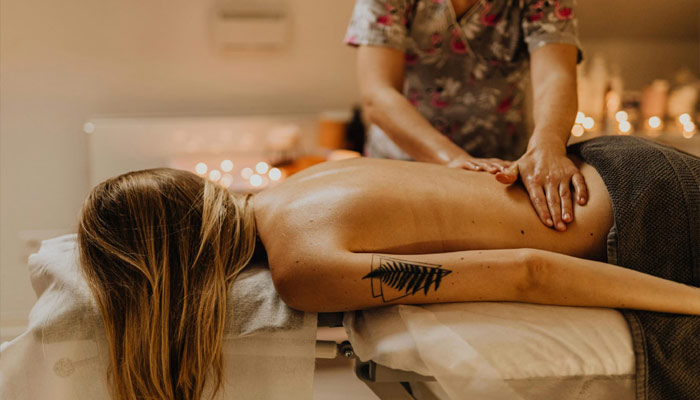
7. Consider Massage Or Foam Rolling
Massage can help ease muscle tension and improve circulation. Foam rolling offers a convenient at-home alternative that may reduce soreness and improve range of motion.
8. Give Muscles Time To Recover
Training through significant soreness can increase the risk of injury. Allowing adequate recovery time between intense sessions helps muscles rebuild stronger and supports long-term fitness goals.
Muscle soreness is often a sign that your body is adapting to physical activity. By combining proper nutrition, hydration, movement, and rest, you can support recovery and get back to your workouts feeling stronger.
Disclaimer: This content is intended for informational purposes only. If you experience severe pain, swelling, weakness, or symptoms that persist beyond normal muscle soreness, seek advice from a qualified healthcare professional.
Comments are closed.